Graffiti Tacoma: Finding a Balance Between Art and Order
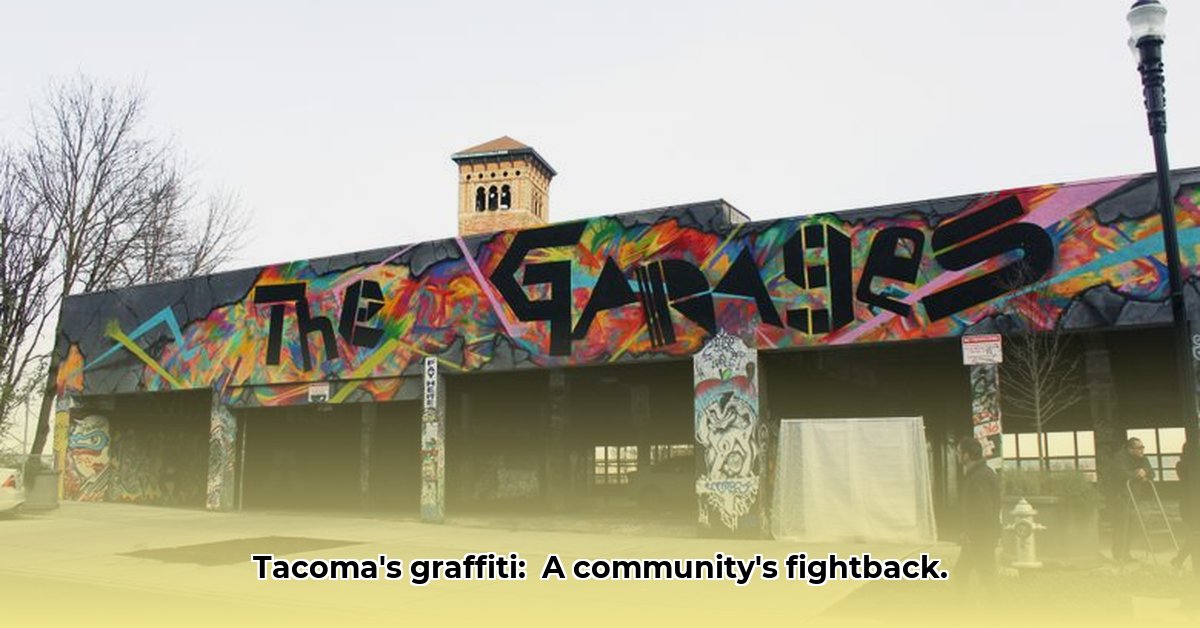
Tacoma's struggle with graffiti is a complex issue, a constant battle between the desire for clean, welcoming streets and the expression of art, sometimes illicit. City crews diligently remove tags, yet new graffiti often appears swiftly. Is the current approach effective? While the city website highlights cleanup efforts and community involvement, concrete data on cleanup speed, recurrence rates, and overall costs remain elusive. This lack of transparency hinders effective decision-making and strategic planning. How can Tacoma improve?
Understanding All Sides of the Graffiti Story
Perspectives on graffiti in Tacoma are diverse. City officials prioritize clean, safe public spaces. Residents desire attractive, welcoming neighborhoods. Artists seek outlets for creative expression. Finding common ground requires open dialogue, extending beyond mere cleanup to address underlying issues. Can Tacoma shift from simply removing graffiti to fostering community ownership and possibly even integrating some art forms into the city's identity?
Moving Forward: Facts and Open Communication
Improved graffiti management begins with data. The city should meticulously track graffiti reports, cleanup response times, costs, and areas frequently targeted. Making this information publicly accessible, perhaps through user-friendly charts and graphs, would enable transparent evaluation of current strategies. This "report card" approach allows for honest assessment and informed adjustments.
Furthermore, active community engagement is paramount. Town hall meetings, online forums, and easily accessible reporting systems (a user-friendly app, for instance) would empower residents to participate directly and ensure prompt city responses.
Creative Solutions for a Cleaner Tacoma
Beyond data and community involvement, innovative solutions merit exploration. Designating legal mural spaces could channel artistic energy productively, potentially reducing illegal tagging. Applying protective coatings to vulnerable surfaces could deter graffiti and simplify removal, saving taxpayer money.
Setting Goals: Short-Term Wins and Long-Term Vision
| Goal Category | Short-Term Actions (0-1 Year) | Long-Term Actions (3-5 Years) |
|---|---|---|
| Data Collection | Implement a system to track all graffiti reports, cleanup times, costs, and problem areas. | Analyze data to identify high-risk areas and focus prevention efforts strategically. |
| Community Engagement | Organize public forums, online discussions, and launch a comprehensive public awareness campaign. | Build strong partnerships between the city, residents, and artists to find lasting solutions. |
| Budget Allocation | Secure funding for graffiti removal and prevention programs. | Explore diverse funding sources, including community contributions, to support these programs. |
| Innovative Solutions | Initiate a pilot program for designated legal graffiti walls or murals. | Expand legal art areas; evaluate and implement protective wall coatings city-wide. |
How to Improve Graffiti Removal Efficiency in Tacoma
Key Takeaways:
- Prompt graffiti removal deters further vandalism.
- A comprehensive approach is essential, encompassing prevention, rapid response, and community engagement.
- Efficient reporting systems and dedicated crews are vital for timely responses.
- Community art projects transform neglected spaces into sources of pride.
- Balancing reactive cleanup with proactive prevention is paramount.
- Cost-effectiveness analysis of various cleaning methods is crucial.
- Community dialogue and collaboration are essential for sustainable solutions.
Understanding Tacoma's Graffiti Landscape
Tacoma's graffiti challenge demands a nuanced approach. Graffiti exists on a spectrum: from vandalism to artistic expression. How can Tacoma effectively remove graffiti while respecting artistic freedoms and fostering community values? This transcends mere cleanup; it's about the well-being of Tacoma's residents.
A Multi-Faceted Approach: Prevention and Response
Effective graffiti management isn't a one-size-fits-all approach. Consider a proactive, two-pronged strategy: rapid response and prevention.
1. Rapid Response: A dedicated team focused on swift removal is vital. Immediate action minimizes the likelihood of further tagging, applying the broken windows theory in reverse: addressing small problems prevents escalation.
2. Prevention: This involves multifaceted initiatives. Community engagement creates ownership and discourages vandalism. Educational programs for youth highlight consequences and alternatives. Anti-graffiti coatings on vulnerable surfaces deter tagging and simplify removal.
The Role of Community Engagement
Active community involvement is crucial. Organize regular clean-up events to build collective responsibility. Community-based art projects can revitalize blighted areas, generating civic pride and ownership. However, these initiatives demand clear guidelines and community input to avoid unintended outcomes.
Optimizing Resources: Efficiency and Cost-Effectiveness
Improving graffiti removal efficiency necessitates efficient resource allocation. Evaluate the cost-effectiveness of diverse cleaning methods (pressure washing, specialized coatings). Data-driven decision-making is key—track removal costs, response times, and recurrence rates to refine strategies. A combined approach might prove most effective.
Balancing Artistic Expression with Community Needs
The distinction between graffiti as vandalism and street art as creative expression requires careful policy consideration. Discussions with artists and community members can establish guidelines, potentially designating legal mural spaces while minimizing conflict.
Collaboration is Key: Stakeholders Working Together
Successful graffiti management requires collaboration between city government, residents, law enforcement, and businesses. A dedicated task force or interdepartmental committee could coordinate efforts and resources. Open communication ensures all voices are heard and concerns addressed.
Measuring Success and Adapting Strategies
Establish metrics to evaluate progress. Tracking graffiti incidents, response times, and community feedback allows for assessment and adjustments. Continuous monitoring and data analysis ensure the program’s effectiveness.